Setting the Record Straight: 5 Myths About Dental Implants
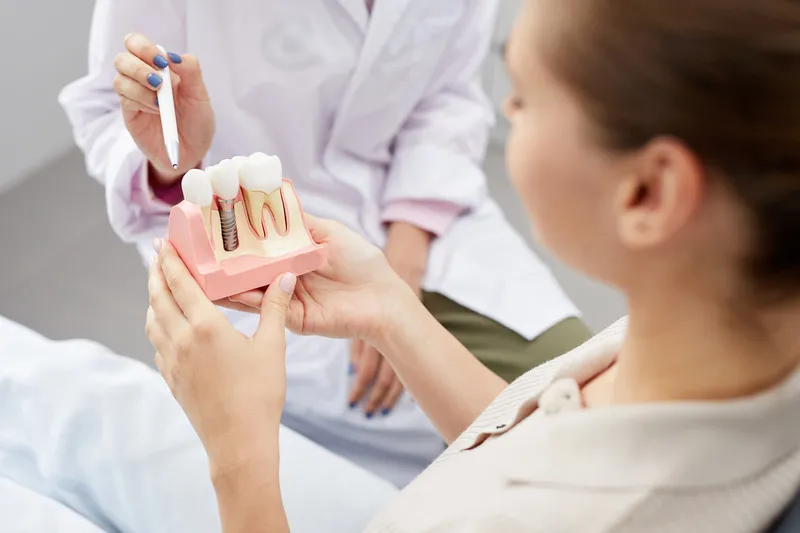
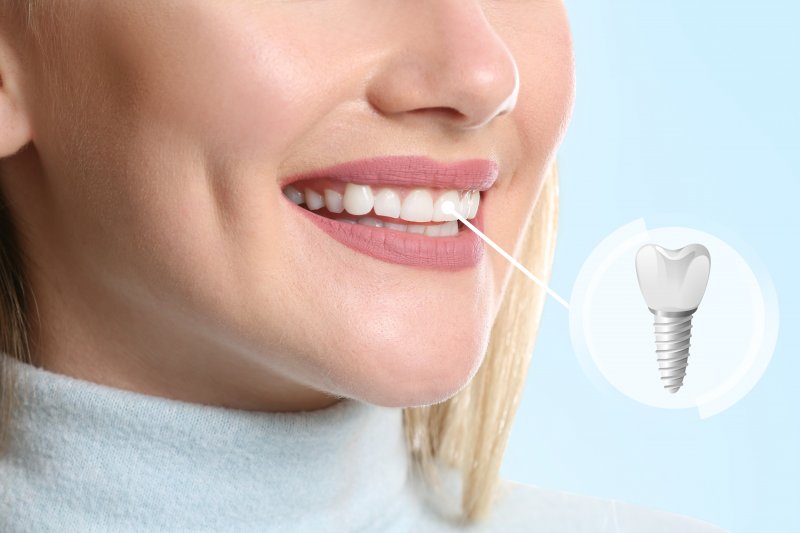
Dental implants have become one of the most popular ways to replace missing teeth, but despite their popularity, there’s still plenty of misinformation surrounding them.
Dental implants have become one of the most popular ways to replace missing teeth, but despite their popularity, there’s still plenty of misinformation surrounding them.

Do you dream of a healthier, more beautiful smile? Do your teeth have significant damage or multiple issues that need to be repaired to achieve
Many people have trouble finding a dentist they trust, let alone a specialist like a prosthodontist. And trust us, it matters, especially for more complex
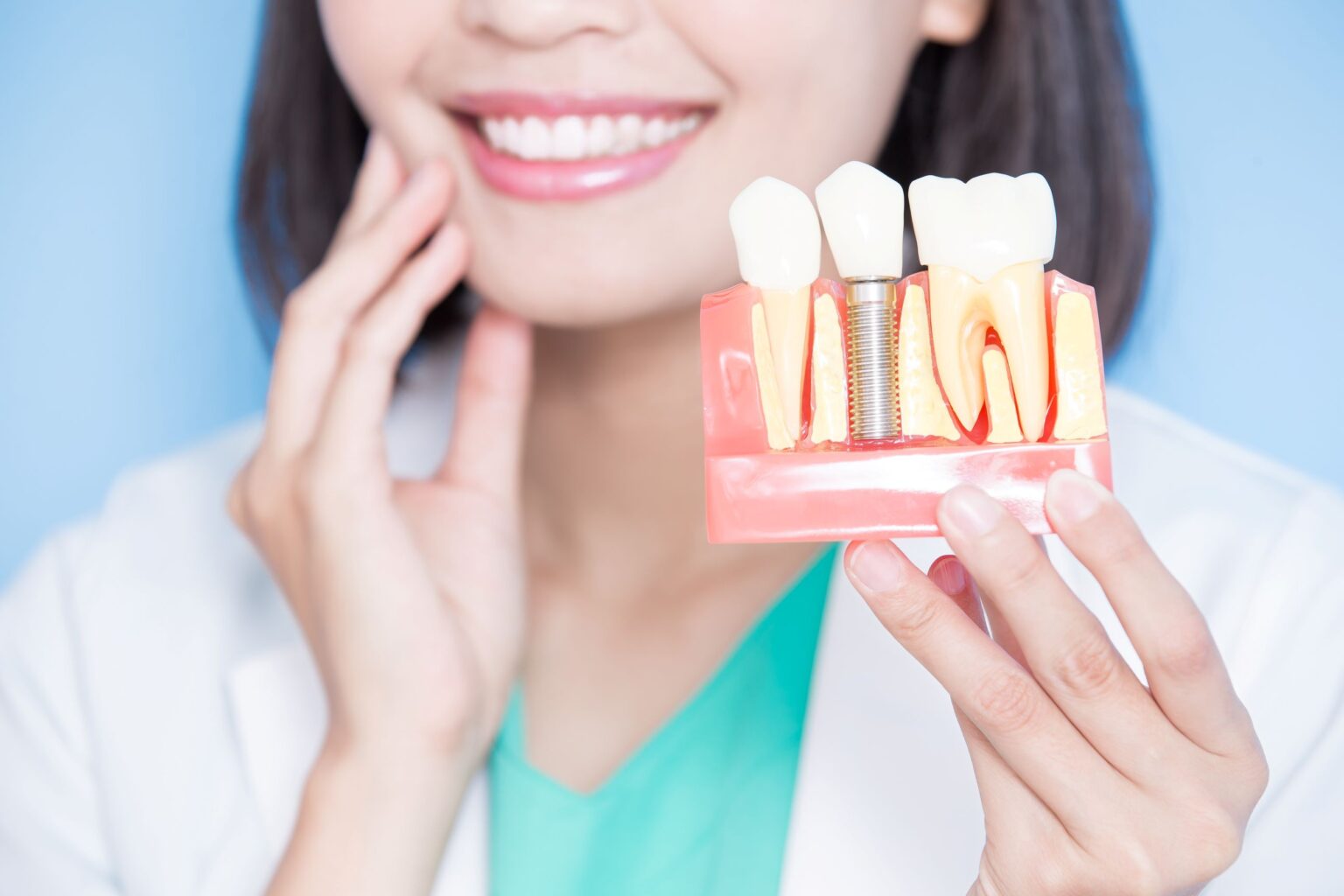
Dental implants are often considered the gold standard for tooth replacement because of their many unique advantages. Unlike dentures and bridges, they are surgically placed directly

Did you know that people with dental problems may be more likely to report feelings of anxiety or depression? If you’re overly worried about being

If you’ve been considering restoring your smile with the help of dental implants, you may be wondering which type of implant will last the longest. After

Cavities are a common oral health issue that a majority of people will experience at some point in their lives. Even as an adult, you

Dental implants are designed to be a long-lasting solution for missing teeth, but their longevity depends heavily on how well they’re cared for after treatment. While

When looking at tooth replacement options, you might’ve picked a treatment you feel would best suit your needs. That one may have been dental implants, as
Most of the time, this problem can be resolved on your own at home. Rinse your mouth with water to soften the object. Carefully use floss to attempt to dislodge the debris. Never use a toothpick, tweezers, or another sharp object to try to get something out from between the teeth. You could end up accidentally pushing it in deeper or damaging the soft tissues of your mouth. If you are struggling to get it out on your own, give us a call!
Is jaw pain a dental emergency? Jaw pain isn’t usually an urgent dental emergency, but it can interfere with your everyday life and eventually lead to oral health issues. This is something that you should bring up so we can take steps to reduce your discomfort.
How you should handle jaw pain: Until you see us for an appointment, use over-the-counter pain relievers as directed to manage discomfort. Cold compresses can also help. However, if you think that you may have broken or dislocated your jaw, you should head to your local emergency room. We’d be happy to take a look at your smile afterward.
How we treat jaw pain: Bruxism treatments with a custom-made nightguard can help to prevent jaw pain. If your wisdom teeth are what’s causing your pain, we can work with you to have them extracted. If you need to go to the emergency room first, we’d be happy to help fix damaged teeth and address lost teeth once you have been discharged.
Is an injury to the gums, lips, or tongue a dental emergency? Cuts to the mouth can be alarming, as they can bleed quite a bit. They are most common in people who participate in sports. Usually, this type of issue can be resolved on your own at home, but a dentist can also help if needed.
How you should handle an injury to the gums, lips, or tongue: Begin by cleaning the area gently with water to wash away food debris and bacteria. Apply pressure with a clean washcloth or a piece of gauze until the bleeding stops. Next, use an ice pack or cold compress to reduce swelling and numb discomfort.
How we treat injuries to the gums, lips, or tongue: If necessary, your dentist can stitch the wound and help to keep the area clean. If you are unable to control the bleeding, you should go to your local emergency room.
Are loose permanent teeth a dental emergency? Teeth can become gradually loose over time or as a result of an injury. If your teeth are loose, then they are at risk of falling out, even if they don’t hurt. This is an urgent dental emergency and should be brought to our attention as soon as possible.
How you should handle a loose permanent tooth: Give our office a call as soon as you can. Avoid touching your tooth and eating anything particularly hard or sticky. Don’t brush or floss at this time. Instead, clean your mouth by swishing warm water around.
How we treat loose permanent teeth: We will do our best to save your loose tooth with a dental splint or another treatment. If we can’t, we may need to extract it and discuss tooth replacement solutions, like a dental bridge or implants.
Is a lost filling or crown a dental emergency? While fillings and crowns are designed to be durable, you’ll eventually need to replace them. If you have one that falls out, be sure to contact us right away, even if you experience no discomfort. We’ll need to provide treatment to protect your exposed tooth from further decay and damage.
How you should handle a lost filling or crown: You can start by first rinsing off any dirt or debris from your restoration. Try placing it back into place with dental wax, denture adhesive, or even sugar-free gum for a temporary hold. If this isn’t possible, then be sure to store it in a small container to bring to your scheduled appointment with us. In the meantime, make sure not to chew on that side of your mouth, and drink water to keep the exposed tooth clean.
How we treat lost fillings or crowns: If your filling or crown is still intact, our team might be able to simply cement it back on. We’ll also want to identify the main reason your restoration came off, that way we can provide treatment to prevent it from occurring later on. If your filling or crown is beyond repair, then we may consider replacing it with a new one.
Is a knocked-out tooth a dental emergency? If you have any number of knocked-out teeth, then you’ll need to reach us as soon as possible. It’s vital that you get emergency treatment within 30 to 60 minutes of the injury or accident, as this will give us a higher chance of saving your pearly whites.
How you should handle a knocked-out tooth: Try to remain calm as you find your tooth. Make sure to only grab it by the crown and avoid the roots altogether. You can rinse your tooth gently with water, but don’t scrub it. If you can, try placing it back into its socket. If not, you can also keep it between your gums and cheek, or store it in a container of milk or saliva. Be sure never to store it in water, as this can damage the tooth and reduce our chances of saving your tooth.
How we treat knocked-out teeth: Our team will thoroughly examine your situation before attempting to reimplant your tooth. We’ll work to carefully place it back into its socket and splint it with an adjacent tooth to keep it still while it recovers. If this isn’t possible, we may need to discuss tooth replacement treatments, such as dental bridges, dentures, and dental implants.
Are very sensitive teeth a dental emergency? While it might be common for teeth to feel sensitivity to hot and cold temperatures, this can also be an indication of an underlying condition. Other than thin tooth enamel or cavities, your situation might be a sign of serious health issues like gum disease or an abscess. For this reason, if you notice sharp or lingering sensitivity, be sure to give us a call.
How you should handle sensitive teeth: Try to stay clear of foods and beverages that are hot, cold, sugary, spicy, or acidic. You can also practice proper dental hygiene and drink ample amounts of water. Take over-the-counter pain relievers as directed if necessary.
How we treat tooth sensitivity: We’ll assess your oral health and identify the root cause of your situation to find the best way to treat it. Our team might recommend using specialized dental products, prescription toothpaste, fluoride treatment, or a filling. For more serious oral health problems, we can reduce sensitivity with nightguards for bruxism, gum disease therapy, and even root canal therapy.
Is a cracked tooth a dental emergency? Yes! Even minor cracks can leave the tooth susceptible to further damage and infection. Since not all cracks are visible, you should seek treatment immediately after sustaining a blow to the face, especially if you notice pain or sensitivity.
How you should handle a cracked tooth: Rinse your mouth with warm salt water to clear away any harmful bacteria. While you wait for your appointment, you should avoid drinking any hot or cold beverages. You can also take pain medication and use a cold compress to alleviate any discomfort.
How we treat cracked teeth: Minor damage can often be repaired with a tooth-colored composite resin. For more significant damage, we may recommend a custom dental crown. If the tooth is damaged beyond repair, we’ll likely suggest extraction.
Is a chipped tooth a dental emergency? While it’s okay to wait a few days to seek treatment for a chipped tooth, you should still make an appointment as soon as you can. Minor chips can worsen and put you at greater risk of decay.
How you should handle a chipped tooth: Collect any pieces of the tooth and place them in a clean sealable container. Make sure you bring it with you to your appointment! You should avoid chewing on the injured side of your mouth. If you’re experiencing pain and swelling, you can take painkillers or use an ice pack to reduce your discomfort.
How we treat chipped teeth: Most cases of chipped teeth can be fixed with tooth-colored composite resin. However, if you’ve chipped a highly visible tooth, you may want to consider a veneer for the best aesthetics.
Is my toothache a dental emergency? From minor to severe issues, there are many reasons why toothaches may occur. If you experience any of the following symptoms, your tooth pain qualifies as a dental emergency, and you should call our office right away:
Severe pain that lasts more than a day
Extreme sensitivity when biting down
A small pimple-like bump has developed near the gums
Signs of a serious infection (i.e., fever, swelling, fatigue)
How you should handle a toothache: Gently clean your teeth to remove anything that could be contributing to your pain. You can take painkillers (like ibuprofen) as needed and use a cold compress to reduce any swelling. Make sure you avoid popping any bumps that have formed on the gums, and do not put aspirin directly on the tooth as it can cause a burning sensation.
How we treat toothaches: Our team will need to closely examine the tooth to determine which treatment will best address the underlying problem. Some common solutions for toothaches include fillings, antibiotics, root canal therapy, periodontal therapy, and extraction.